What is a typical day like?
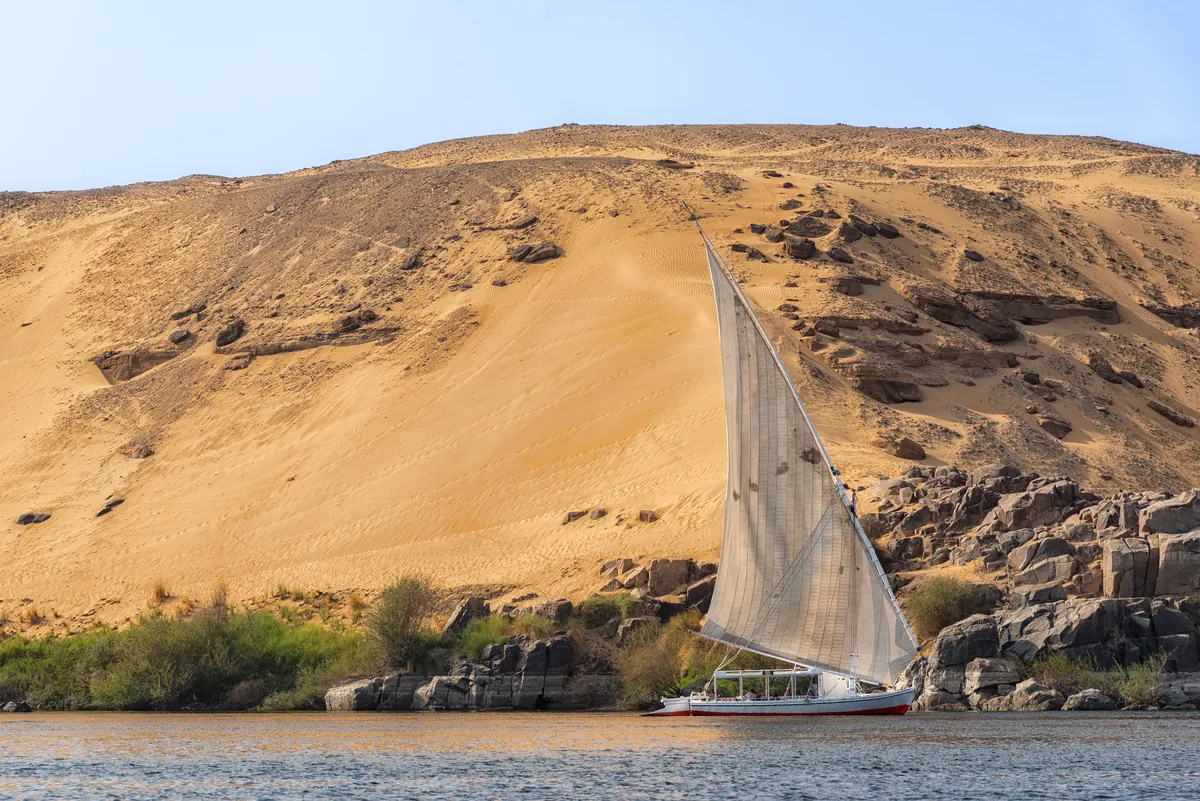
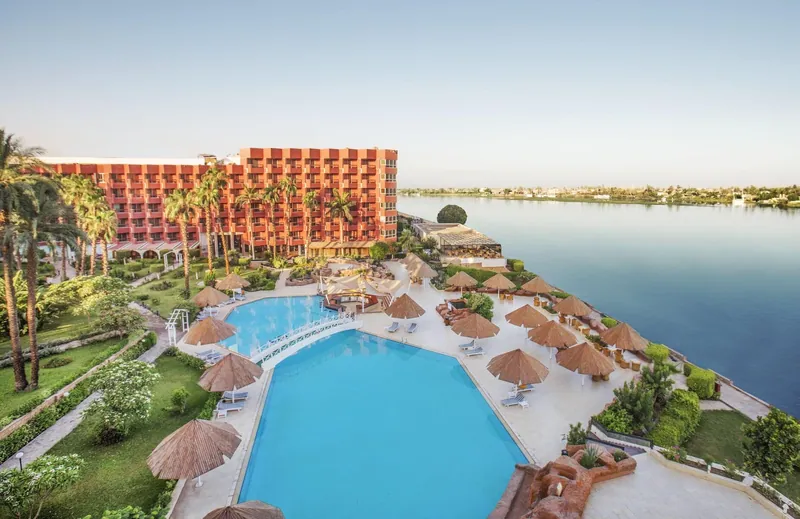
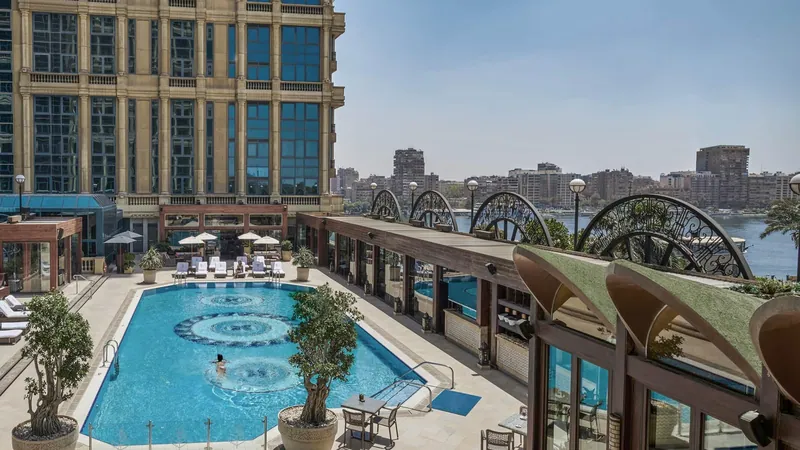
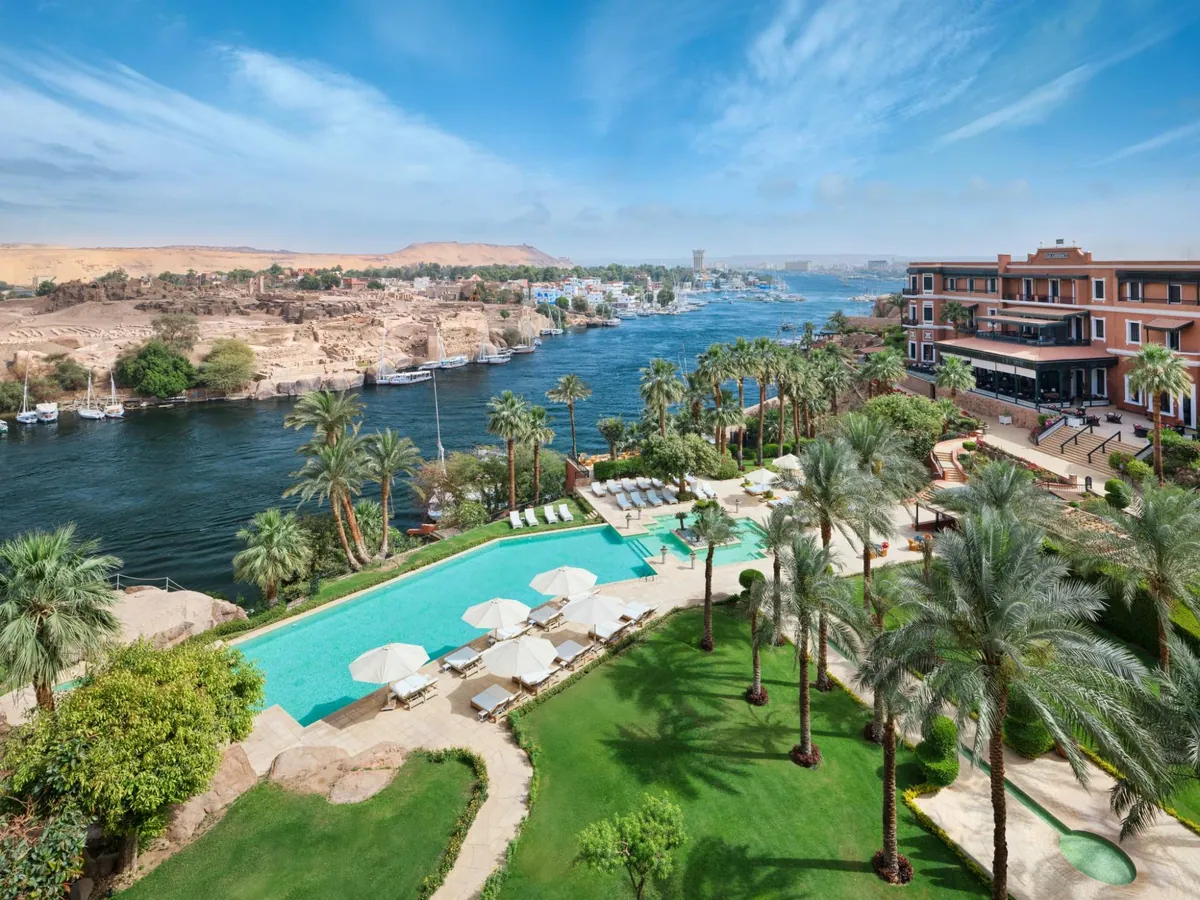
Unhurried, and planned around the best hours of the day. Most mornings begin after an early breakfast, with excursions setting off between about 7:30 and 8:30 to see the sites in the soft morning light, before the heat of the day. You are usually back by early afternoon, and the hottest hours belong to the pool, the hotel terraces or the Sun Deck. Some moments are saved for the softer light of late afternoon, such as the felucca sail in Aswan.
Two days are different by design: Abu Simbel on August 6 starts before dawn, and eclipse day is built around totality shortly after 13:00. Arrival day is completely free, and your Egyptologist confirms each day’s timing with the group the evening before, so you always know what tomorrow holds.
Is the Abu Simbel excursion included?
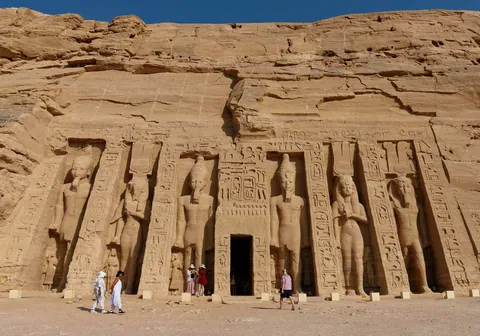
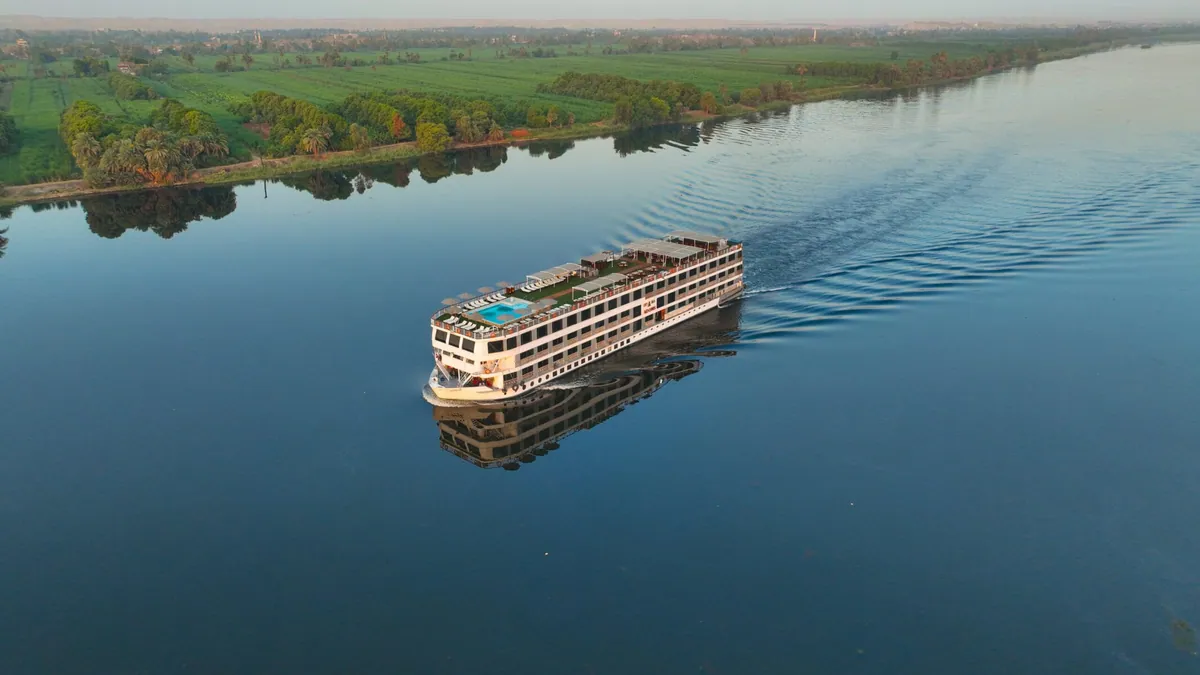
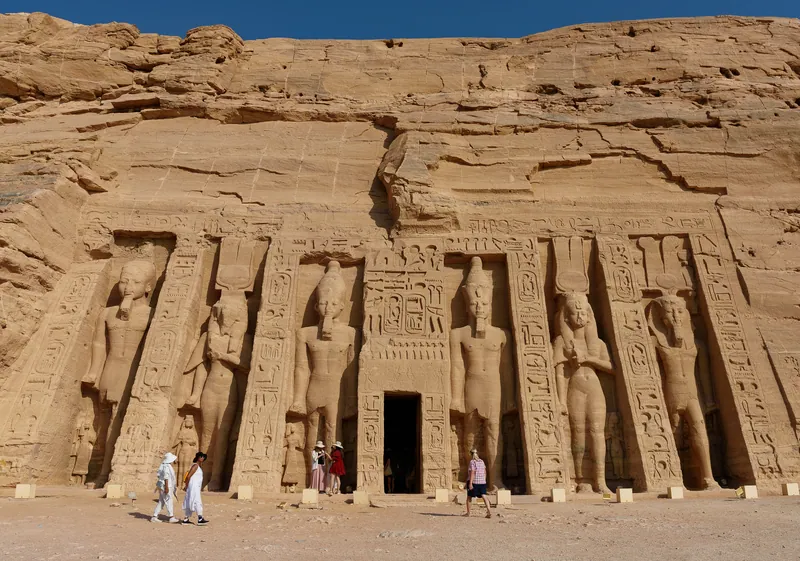
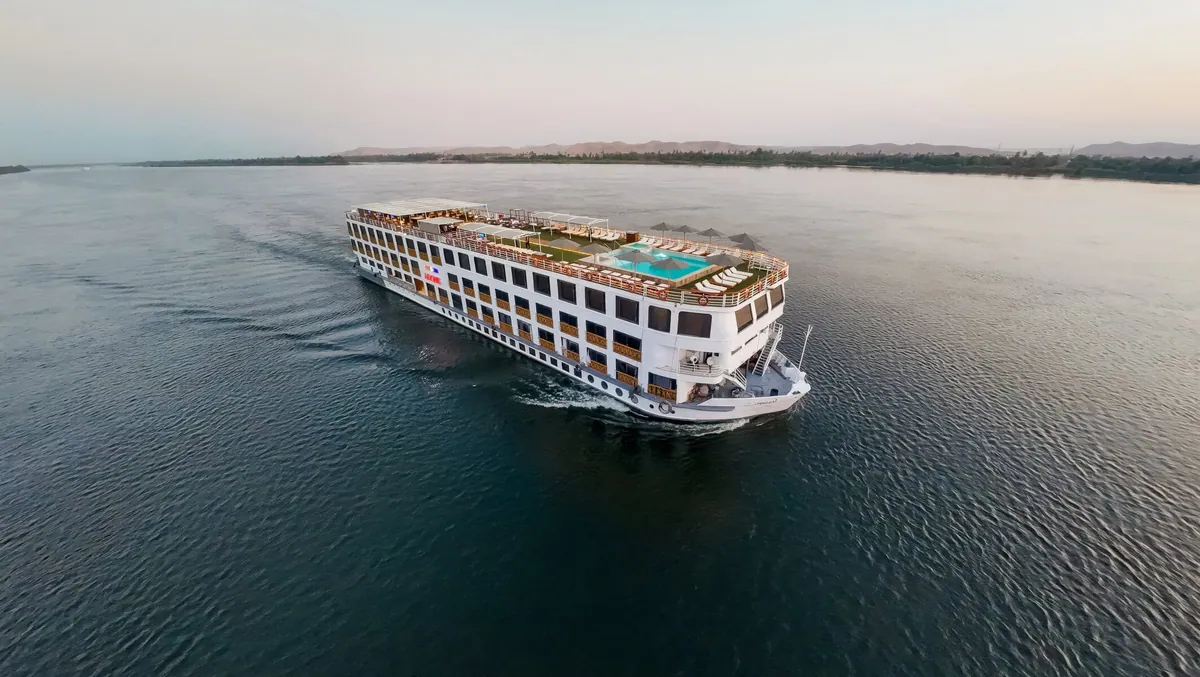
Yes, and it is one of the great days of the journey. A full guided excursion to Abu Simbel is included, with all transport and entrance fees: the two rock-cut temples of Ramses II and Queen Nefertari above Lake Nasser, where four colossal seated statues of the king, each about twenty metres high, guard the entrance of the Great Temple. The day starts before dawn, with breakfast arranged around the departure, and our coach drives about three and a half hours south through the Nubian desert so that you arrive before the heat. You are back in Aswan in the early afternoon to board the M/S City and Sea Adonis.
Many journeys sell Abu Simbel as an optional extra or leave it out altogether; on this one, it is simply part of the programme.
Are flights included?
Yes, both domestic flights are included: Cairo to Luxor on August 1 and Luxor to Cairo on August 10, each about one hour in the air, with all taxes and airport fees, and our coach and representatives at both ends. Flying saves you two long days on the road and gives that time back to the journey.
International flights to and from Egypt are not included; please book them yourself.
Will the temples be crowded during eclipse week?
Far less than you might fear, because we planned for exactly this. Travellers from all over the world will come to Egypt for the eclipse, and most tours follow the same timetable, reaching the same temples on the same days at the same hours. Ours was planned against that flow on purpose:
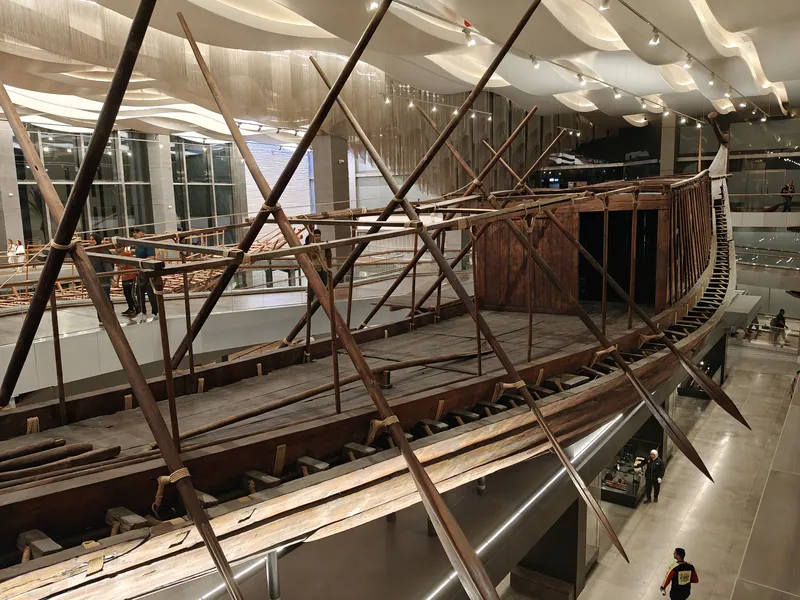
The Grand Egyptian Museum on July 31, before the crowds of eclipse week arrive.
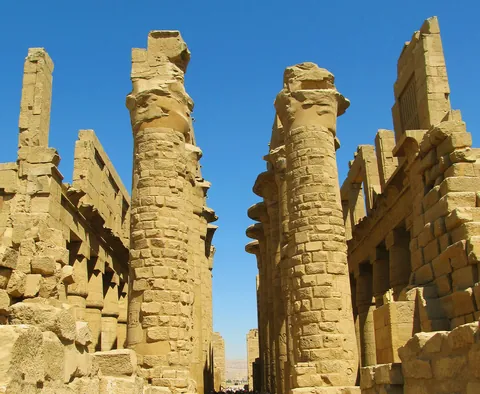
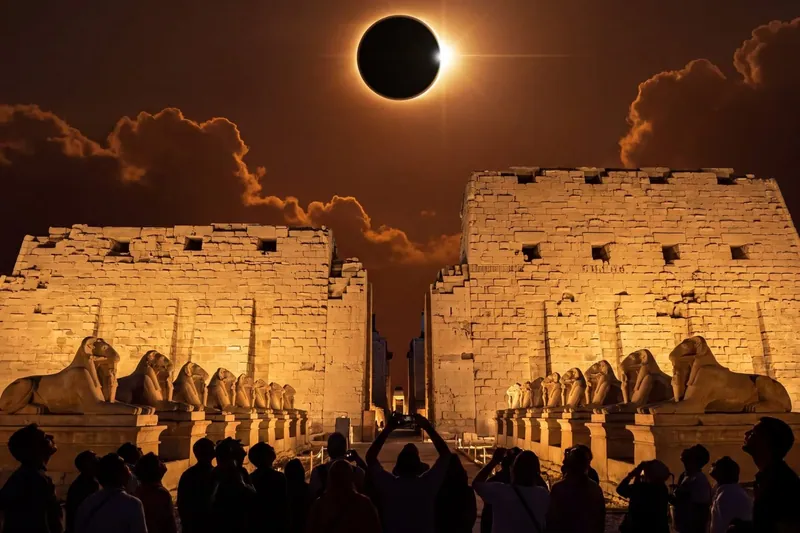
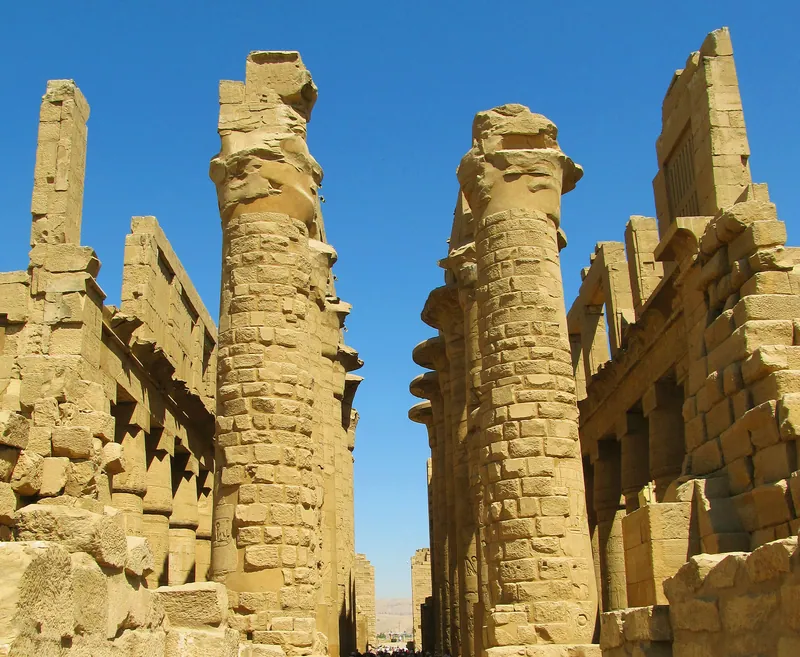
Karnak and Luxor Temple on August 8, after the eclipse crowds have moved on.
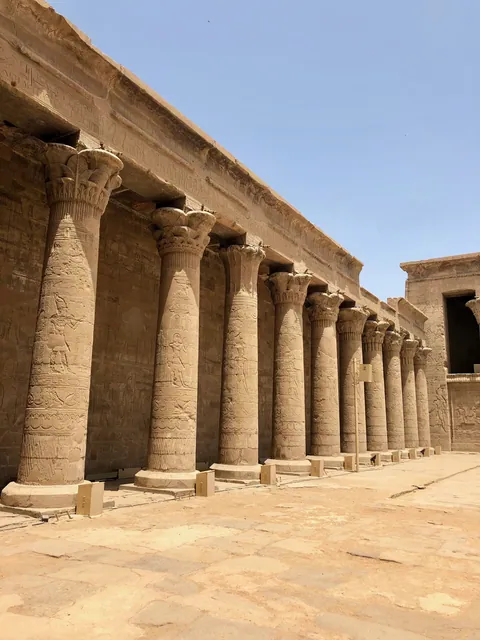
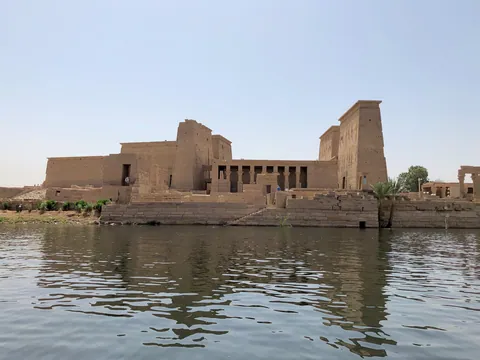
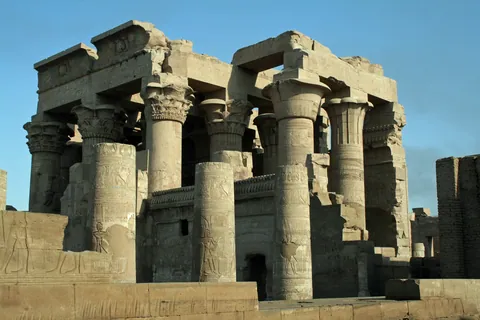
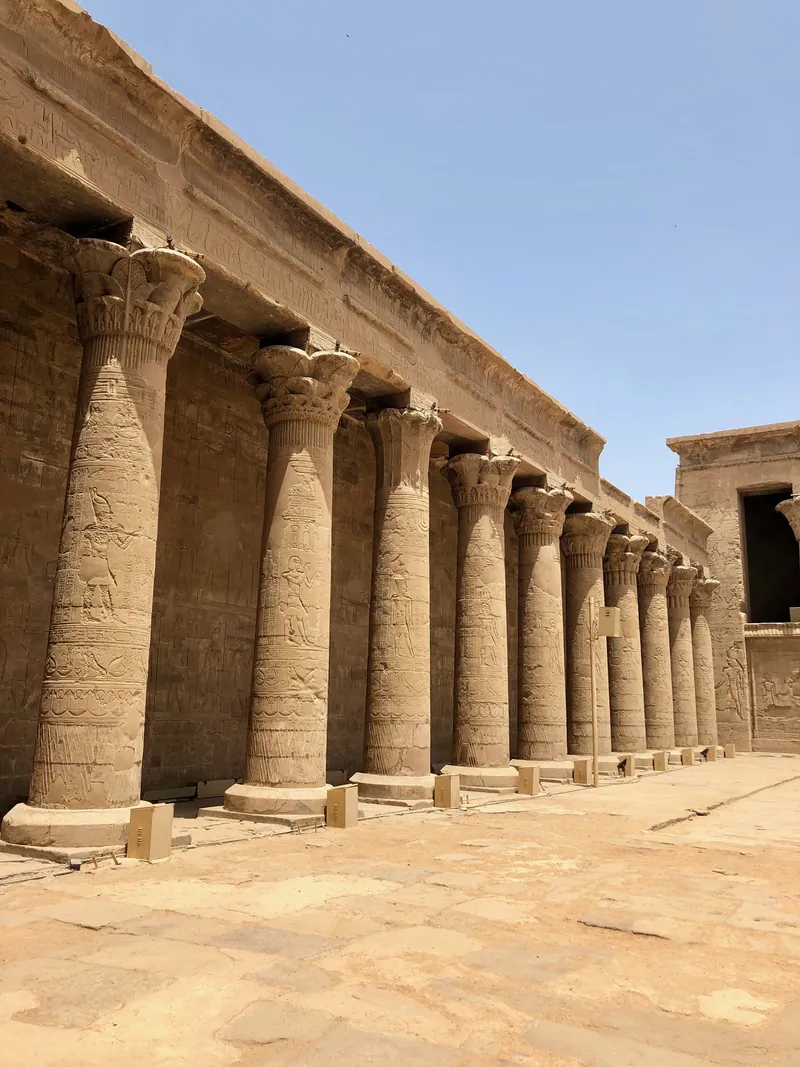
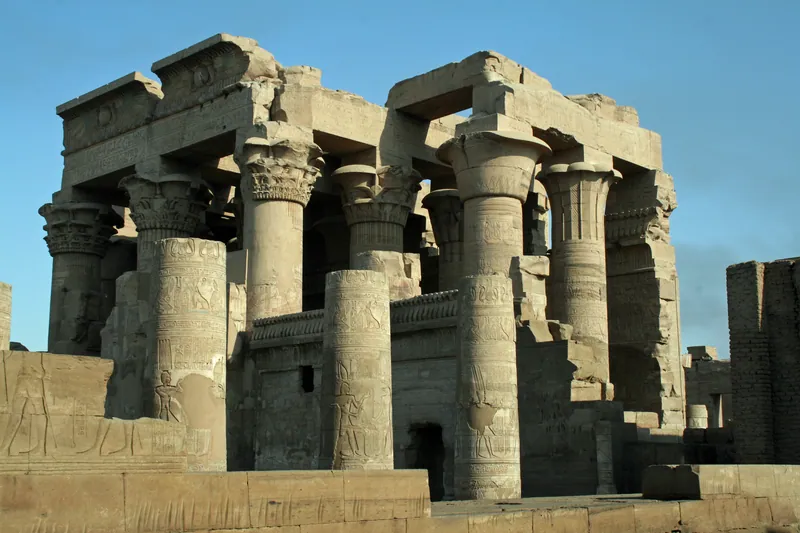
Edfu and Kom Ombo, timed for the days and hours when they are usually at their quietest.
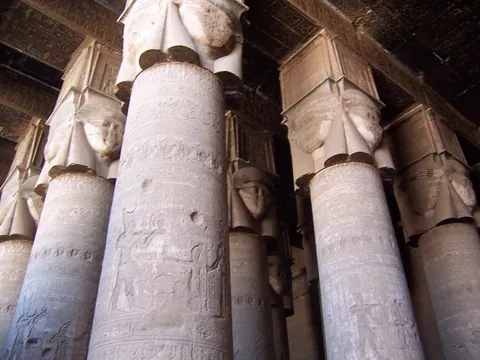
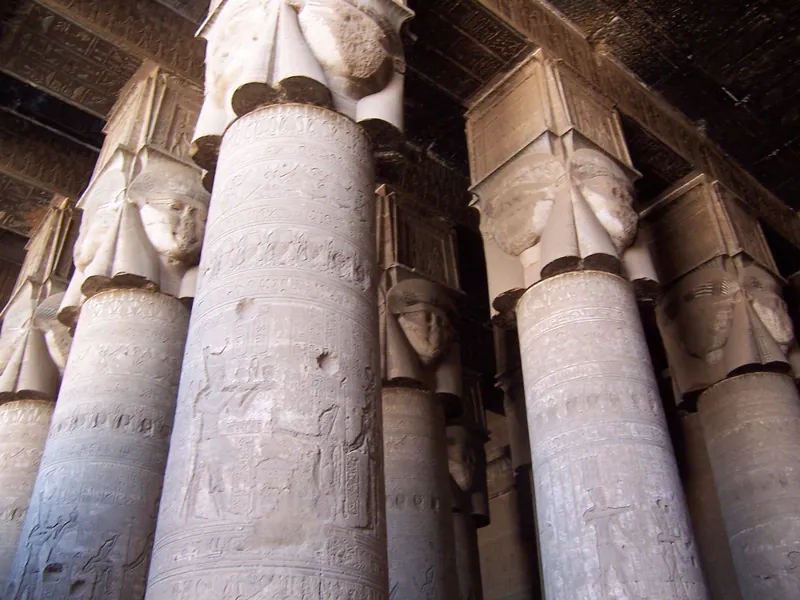
Dendera, on a stretch of the Nile most cruises never sail.
So you have time to stand before the reliefs, listen to your guide and take home the photographs you came for. It is one of the biggest differences between this journey and an ordinary eclipse tour, and you will feel it at every temple.
How hot will it be, and how is the journey planned around the heat?
Hot and dry, and the whole journey is planned around it. Upper Egypt in August is genuinely hot and completely dry, with afternoon highs in Luxor and Aswan of about 41 to 42°C (106 to 108°F). Cairo is milder, at about 35°C (95°F), but more humid. So you see everything at the best hours and spend the hottest ones in comfort:
Sightseeing is placed in the early morning and the late afternoon wherever possible.
The hottest hours belong to the pools, the shaded terraces, the air-conditioned museum halls and the river.
Every coach, hotel room and cabin is air-conditioned.
On eclipse day, refreshments, seating and shade are provided.
Dry heat feels gentler than the same temperature in a humid place, but it still asks for care: drink water often and wear a hat and light clothing. Our guide on what to pack for a Nile cruise is written for exactly this season. And the same dry, clear summer air is what gives Luxor its outstanding chance of a cloudless eclipse.
Who runs luxoreclipsecruise.com?
City and Sea Travel, the family-run Egyptian tour operator that owns and operates the M/S City and Sea Adonis and runs this journey. Reservations are made on our main website, cityandseaadonis.com.